Sort Every Stain Into One of Five Families Before You Treat It
How to remove common household stains starts with naming the family: protein, tannin, oil, dye, or wax. Each one answers to a different fix, and to a
Cold water, a clean white rag, and about ninety seconds of your attention will save more fabric than anything sold on the laundry aisle. Blot the spill, do not rub it, and keep it away from heat until you know what you are dealing with. That first response works because a fresh stain is still sitting on top of the fibers instead of bonded into them, and the whole job from there is keeping it that way.
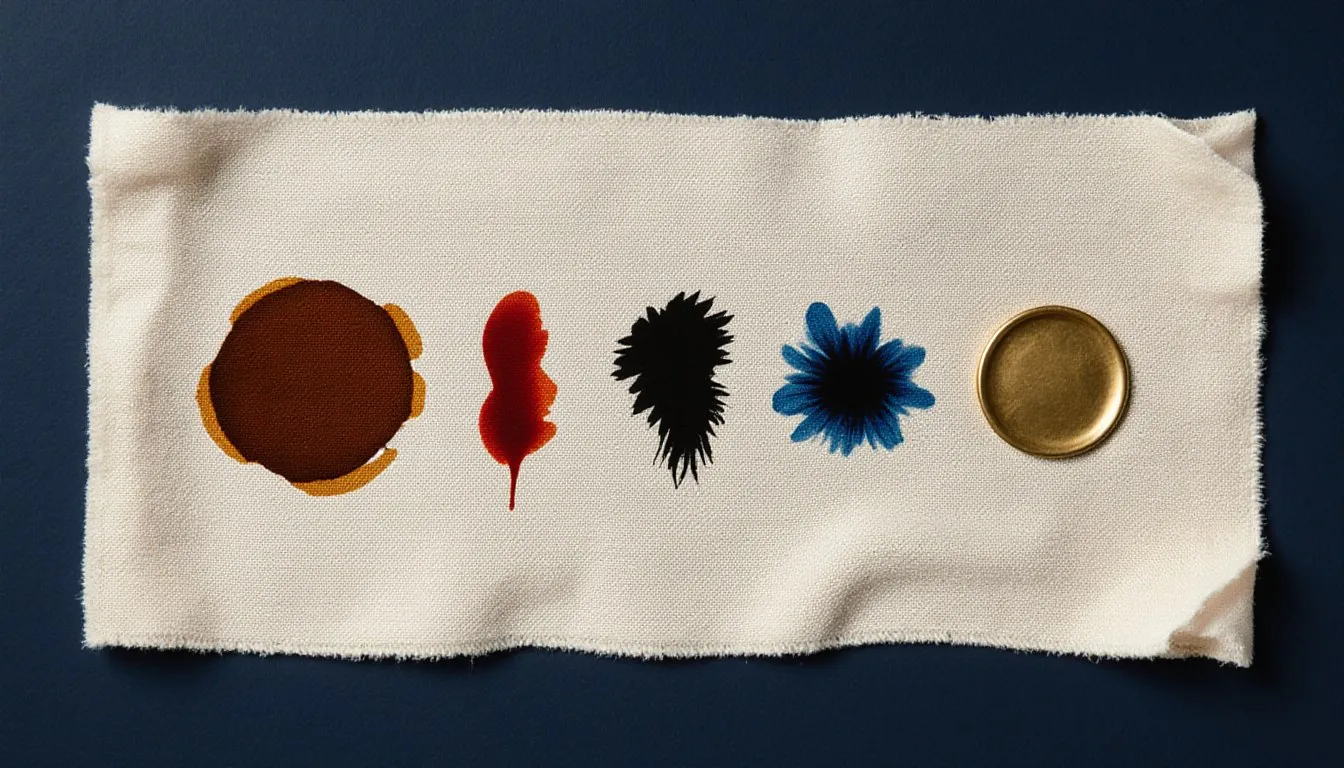
What you do next depends on which family the stain belongs to. There are five that account for nearly everything that hits a carpet or a shirt in a normal house: protein, tannin, oil, dye, and wax. Each one answers to a different chemistry, and two of them get permanently worse if you guess wrong. Blood wants cold water and an enzyme. Grease wants warm water and dish soap. Run those backward and hot water sets the blood on contact, while the cold rinse leaves the grease exactly where it landed.
Five buckets, one product each. Look at a spot, decide which bucket it belongs to, and reach for the single thing in the cabinet that handles that bucket. Below is the sorting system, the kit that covers all five, and the honest line where a stain stops being worth your Saturday.
What’s the first move the moment a stain happens?
Lift, blot, flush cold, and keep it out of the dryer. In that order.
Lift means getting the solids off before you add any liquid. A butter knife, a credit card, the edge of a spoon, anything dull enough that it slides material off the surface rather than pressing it in. Scrape toward the middle of the spot, not outward, because outward is how a two-inch spill becomes a five-inch one. On carpet, pick up what you can with your fingers first; the fibers hold chunks better than a smooth blade will lift them.
Blot means pressing straight down with a clean white cloth and lifting straight up. White for two reasons: you can see how much you are actually pulling out, which tells you when to stop, and a printed dish towel will happily donate its own dye to a wet spot. Old cotton T-shirts, cut into rags, are the best stain cloths in the house and they cost nothing. Change to a dry section of the rag every few presses. A saturated rag stops absorbing and starts redistributing.
Rubbing is the single most expensive habit in this whole subject. It drives the stain deeper into the yarn, and on anything with a nap it abrades the fiber ends so they scatter light differently. Even after the color is gone, you are left with a dull patch that reads as a stain from across the room. Whoever taught me put it this way: the rag does the lifting, the water does the moving, and your thumb does the damage.
Flush cold, if the item can go under a tap, means running water through the back of the fabric so the stain exits the way it came in rather than being pushed through the weave. Hold the garment inside out under the faucet and let cold water do the work for a full minute. On carpet and upholstery you cannot flush, so you dampen and blot in cycles instead, which is the whole difference between the two techniques and the reason the same stain takes longer on a couch.
Then the rule that matters most and gets broken most: nothing goes in a dryer, under an iron, or near a heat gun until the stain is gone. Not faded. Gone. Dryer heat is what converts a treatable spot into a permanent one, and once you have baked it, no amount of correct chemistry afterward brings it all the way back.
Why does water temperature matter so much?
Hot water cooks protein into fiber the same way it cooks an egg onto a pan, and cold water floats it off.
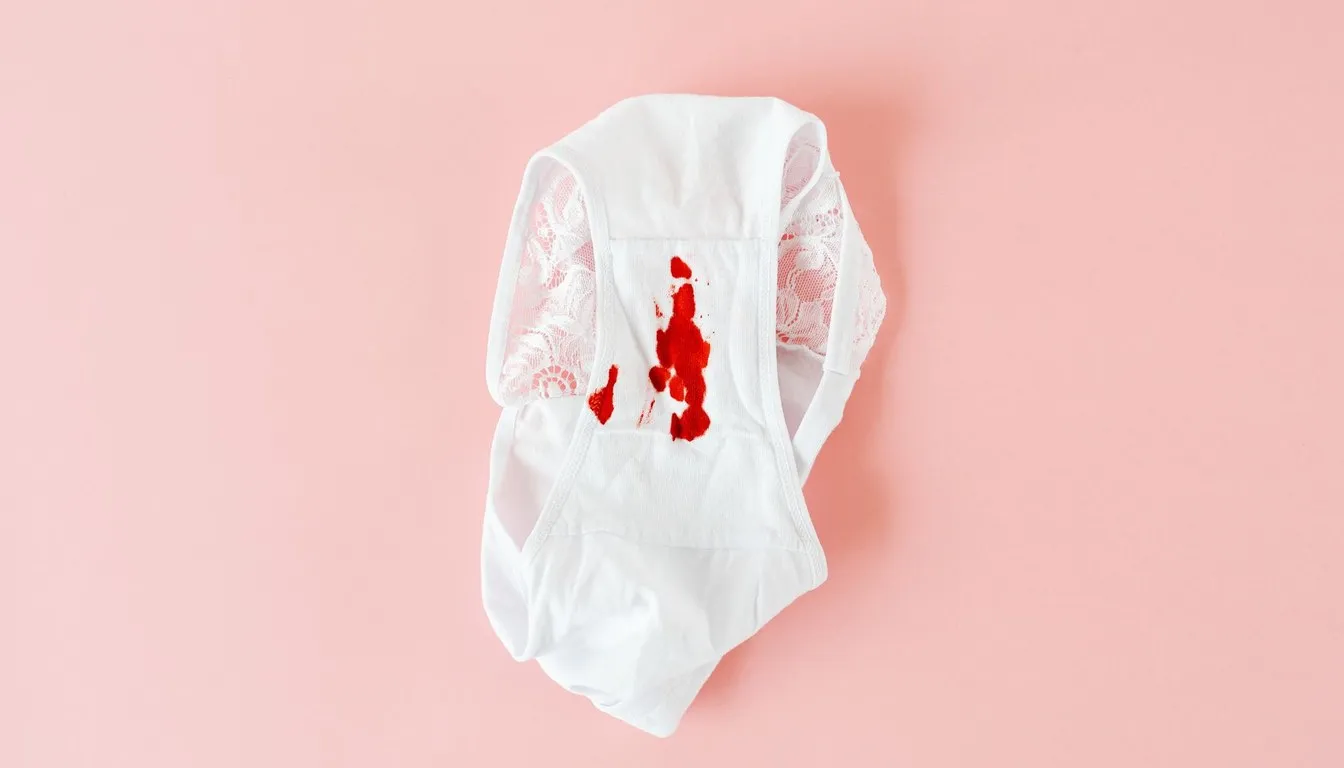
Blood, milk, egg, sweat, gravy, and pet accidents are all protein. Heat makes those proteins unfold and lock onto whatever they are touching, which on cotton means a bond you are not going to talk your way out of. The setting begins around 105°F (41°C), which is below the point where water feels hot on your wrist, and a hot wash at 130 to 140°F (54 to 60°C) finishes the job. Cold tap water runs roughly 50 to 70°F (10 to 21°C) depending on your pipes and the season, and that is the range a protein stain should stay in until it is gone. This is why the standing advice for a bloody shirt is cold water immediately, and why the person who throws it in a hot wash out of instinct ends up with a permanent brown shadow.
Grease runs the opposite direction. Oil does not dissolve in cold water at all, which is why a cold rinse on a salad dressing spot does nothing but wet it. Oil needs a surfactant to break it into droplets small enough to rinse away, and surfactants work better warm. So an oily stain wants dish soap and the warmest water the fabric care label allows, which on most cotton means 100 to 120°F (38 to 49°C).
Tannins, the coffee and wine and fruit juice group, are in between and forgiving about temperature, but they oxidize with time and air. That is why a coffee ring you ignored for a week turns from tan to yellow-brown and gets harder to move. Time sets those, so the clock matters more than the tap.
Which gives you the practical rule: when you do not yet know what the stain is, cold is the safe default. Cold never makes anything worse. Hot makes one entire family worse, permanently. Start cold, identify, then warm up if the answer turns out to be grease. Soak times split the same way: 30 minutes in cold water for a fresh protein stain, 4 to 8 hours or overnight for a dried one, and 10 to 15 minutes of dish soap sitting on a grease spot before it goes near the machine.
Heat has one more way to get you, and it is sneaky. A stain you think you removed can leave an invisible residue of sugar or oil that browns under an iron weeks later. If you pull a shirt out of the closet with a tan scorch-looking mark exactly where the apple juice went in April, that is what happened.
What’s actually in a basic stain-fighting kit?
Six things handle nearly every household stain, and none of them are specialty products with a single-stain label on the front.
- Plain liquid dish soap, the basic blue kind. Cuts grease, and it is the pretreatment for anything oily. Buy the cheapest one that suds.
- Three percent hydrogen peroxide, the brown drugstore bottle. A mild oxidizer for protein and tannin on whites and colorfast fabrics. Straight from the bottle on white cotton, up to 10 minutes at a time; cut 1:1 with cool water on anything dyed that has passed the hidden-seam test. It degrades in light, so it stays in the brown bottle with the cap on, and an old bottle that no longer fizzes is done working.
- An enzyme-based laundry pretreatment. Enzymes chew up protein, starch, and fat specifically, which is why they handle the biological stains that soap alone leaves behind. This is the one product worth having that has no household substitute.
- White vinegar. Mild acid, good on mineral deposits, hard water marks, and some odors, and useful as a rinse to neutralize alkaline residue. Mix it 1:1 with water for a hard water soak, 1:4 for a rinse on fabric.
- Isopropyl alcohol, the rubbing alcohol in the medicine cabinet. The solvent for ink, marker, and most dye stains.
- A soft brush and a stack of white rags. An old toothbrush works the edge of a spot on fabric without abusing it. Buy nothing.
Add oxygen bleach powder, the sodium percarbonate kind sold as a laundry booster, if you deal with a lot of tannin on white cotton. Add cornstarch or talc if you have carpet and someone in the house cooks with oil.
Now the hard line, and it is the only one in this article I will not soften. Never mix chlorine bleach with ammonia, and never mix chlorine bleach with an acid like vinegar. The first combination produces chloramine gas, the second produces chlorine gas, and both have put people in emergency rooms from a bathroom floor. Many glass cleaners contain ammonia, so this is not a theoretical mixing bowl problem; it is two bottles under the same sink. Use one product, rinse thoroughly, ventilate, and only then consider the next. If a room ever smells sharp and your eyes sting, you leave, you open windows on your way out, and you do not go back in to finish.
Two smaller cautions worth carrying. Vinegar etches natural stone, so it stays off marble, travertine, and limestone counters and floors permanently. And hydrogen peroxide will lift color out of dyed fabric, so it gets tested on a hidden seam before it touches the front of anything you care about.
How do you tell a protein stain from a tannin stain from an oil stain?
Start with what was in the person’s hand, because that answers it correctly about eighty percent of the time. When nobody knows, the stain itself tells you if you look at it properly.
Protein stains dry stiff and slightly raised, with a crusty edge you can feel with a fingernail. Fresh they are red, pink, or off-white; aged they go tan or brown. Blood has a specific tell: a drop of three percent hydrogen peroxide on it foams up immediately, because blood carries an enzyme that breaks peroxide apart. Nothing else in the house does that quite so dramatically.
Tannin stains dry flat and leave a defined ring, darker at the edge than in the middle, because the liquid wicked outward and the pigment concentrated where it stopped. Coffee, tea, red wine, and fruit juice all do this. They feel like nothing under a fingernail. Fresh they match the drink; old they drift toward yellow-brown regardless of what color they started.
Oil stains darken the fabric and make it look slightly translucent, like the spot is permanently damp, and they have no crust and no ring. Hold the fabric up to a window: an oil spot passes more light. Old oil on light-colored cloth turns yellow.
Dye stains are saturated, sharply colored, and often follow a line or a smear rather than a splash, because most of them arrive from a pen, a marker, or another wet garment pressed against this one. Wax sits on top of the fabric as a hard raised deposit you can feel from across the room and pick at with a thumbnail.
Here is the sorting chart in one place. First response first, product second.
- Protein (blood, milk, egg, sweat, gravy, pet accidents): cold water only, never warm. Go-to is an enzyme pretreatment, with peroxide as backup on whites.
- Tannin (coffee, tea, wine, fruit juice, soda): cool or warm water, no soap at first. Go-to is oxygen bleach on colorfast fabric, peroxide on whites, plain hot flush on fresh spills in white cotton.
- Oil (grease, butter, salad dressing, makeup, body oil on collars): warm water, as warm as the care label allows. Go-to is dish soap worked in before wetting.
- Dye (ink, marker, food coloring, transferred laundry dye): cool water, and do not wet it first. Go-to is isopropyl alcohol, blotted onto a pad underneath.
- Wax (candle wax, crayon, lip balm): cold first to harden and scrape, then heat to absorb. Go-to is paper and a warm iron, followed by dish soap for the oily ghost left behind.
Plenty of real stains are two families at once. Lipstick is oil plus dye. Chocolate is protein plus oil plus tannin. Grass is protein plus a plant pigment that behaves like dye. The order for a combination stain is the same every time: treat the oil or wax component first, because it is a physical barrier keeping water-based treatments away from everything underneath, then treat the color that remains.
How do you handle blood and other protein stains?
Cold water, patience, and an enzyme. That is the entire protein playbook, and the discipline is in refusing to rush it.
Fresh blood on washable fabric will come almost entirely out under a cold tap if you get to it in the first few minutes, running the water through the back of the cloth. What remains goes into a cold soak, not a hot one, for as long as you can stand to leave it. Then an enzyme pretreatment worked in with a soft brush and left to sit while the enzymes actually do their job, which takes real time rather than the ten seconds most people give it. Wash cold, and then, before anything else happens, look at the spot in good light while it is still wet. Wet fabric shows you the truth. If any shadow is left, repeat before the dryer ever enters the conversation.
Dried blood is the same process with more soaking and lower expectations. Peroxide is the next rung up for white cotton and it works well, though it will lighten dyed fabric, so it stays on the hidden-seam test until you have proof. If you want the full walkthrough for the stubborn cases, how to remove blood stains covers the older set-in ones in detail.
The rest of the family behaves the same way. Milk and baby formula respond to a cold soak and an enzyme. Egg white will cook onto a fabric with hot water and never fully leave. Underarm yellowing on white shirts is protein and body oil combined with aluminum salts from antiperspirant, which is why it is stiff, why it resists ordinary washing, and why an enzyme soak plus oxygen bleach does more for it than scrubbing ever will. Pet accidents need enzymes specifically, not because of the visible stain but because enzymes break down the compounds an animal can still smell after the spot looks perfect, and an animal will return to a spot that still smells right to it.
How do you get wax and oily residue out of fabric or carpet?
Cold to get the bulk off, then heat to draw out what soaked in, then soap for the grease shadow that is always left behind.
Wax is the one stain where the physical state does most of the work. Harden it first with an ice cube in a bag, or by putting the whole garment in the freezer, until the deposit turns brittle. Then crack it and lift the pieces off with a dull edge. You will get the great majority of the wax this way and it takes two minutes.
What remains is soaked into the fibers, and that comes out by melting it into something more absorbent than the fabric. Brown paper bag or a folded stack of plain paper towel above and below the spot, a warm iron with the steam off, and short passes. The wax wicks into the paper, you move to a clean section of paper, and you repeat until no more transfers. Keep the iron moving, keep it on the low end of what the fabric tolerates, and check the paper after every pass rather than trusting the process blind. Dyed candles leave a color behind after the wax is gone, and that residual tint is a dye stain now, handled with alcohol. The complete steps, including the ones for wax on a tablecloth versus wax down in carpet pile, are in how to remove candle wax.
Straight oil and grease work differently because there is nothing solid to lift. On fabric, work dish soap into the dry stain with a fingertip before adding any water, let it sit a few minutes, then wash in the warmest water the label allows. Wetting first dilutes the soap exactly where you need it strongest. On carpet, absorb before you treat: cornstarch or talc poured over the spot, left long enough to pull the oil up, vacuumed, and repeated if the powder comes up discolored. Then dish soap in water, applied sparingly and blotted.
Old grease that has been through a dryer is the honest hard case. Sometimes repeated soap treatments walk it back most of the way. Sometimes you are looking at a shirt that has become a painting shirt. Both outcomes are normal.
How do you deal with ink, marker, and dye stains?
Alcohol, a pad underneath, and the discipline to blot rather than spread.
Dye stains are the ones people make dramatically worse, because the instinct is to attack the spot from the top with a wet cloth, which drives dissolved color outward into clean fabric in every direction. The correct setup is the opposite. Put a folded white rag or a stack of paper towel directly under the stain, apply isopropyl alcohol to the top of the stain in small amounts, and press. The alcohol dissolves the ink and gravity plus absorption carry it down into the pad. Move to a clean section of pad constantly, because a saturated pad hands the ink straight back.
Ballpoint ink usually surrenders to this. Gel and permanent marker are harder and sometimes only partial. Water-based markers, the washable school kind, often come out with plain soap and cold water and never need solvent at all, so check the barrel before you reach for anything stronger. The classic advice about hairspray is a holdover from when hairspray was mostly alcohol; if it works today, it works because the can still contains alcohol, and rubbing alcohol is the cheaper and more predictable version of the same idea.
Ink comes in enough varieties that the specifics matter, and the deeper treatments live in their own places. For fabric and skin, see how to remove ink stains. If the casualty was a document rather than a shirt, see removing ink from paper, which is a different job with a much narrower margin. And for the marker that shrugs off a full alcohol treatment, see permanent marker stain removal.
Transferred laundry dye, the red sock catastrophe, is a different animal because the color is now chemically attached to every fiber in the load rather than sitting in one spot. It needs a full-garment approach and a color remover rather than a targeted treatment, and fabric dye removal deals with that properly. The one thing that decides whether it is recoverable: whether the load already went through a dryer. Wet, you have a real chance. Dried, much less.
What about paint on walls, brick, or trim?
Read the can before you touch the spot, because water-based and oil-based paint respond to completely different things and the wrong solvent just smears it around.
Water-based paint, which is nearly all modern interior latex and acrylic, comes off with warm water and soap while it is wet. That window is short, measured in minutes on a warm dry day. Once it has skinned over, plain water stops working and you are into alcohol or a purpose-made latex softener, plus mechanical work with a plastic scraper.
Oil-based paint and most varnishes need mineral spirits, wet or dry, and dry oil paint takes patience and repeated applications rather than force. Any solvent work happens with windows open and a fan moving air, away from pilot lights, water heaters, and anything with a flame, because solvent vapor is heavier than air and travels along the floor. Rags with solvent or oil finish on them get laid flat outdoors to dry before they go anywhere near a trash can. A wadded pile of oily rags generates its own heat, and that is a real fire, not a warning label written by a lawyer.
Surface changes everything here. Paint on sealed trim sits on top and scrapes. Paint on porous masonry has soaked into the pores and has to be pulled back out with a poultice or a masonry-specific stripper, which is slow, messy work on a vertical surface. Removing paint from brick fireplace goes through that job specifically, and paint removal methods covers the general approaches for the surfaces you meet more often.
The stop line on this one is firm. If the house was built before 1978, assume the old layers contain lead until testing says otherwise, and do not sand, scrape dry, or heat that paint. Lead dust is the hazard, and you generate it with exactly the tools that feel most productive. Testing is cheap, and the remediation work belongs to someone certified for it.
What about the odd ones, crayon, chapstick, cherry, and the rest?
Almost every strange stain is one of the five families wearing a costume, and naming the components tells you the order of operations.
Crayon is wax with heavy pigment in it, which makes it a two-step every time: harden and scrape the wax, iron the rest into paper, then treat the color that stays behind as a dye stain. Skipping straight to the dye step accomplishes nothing, because the wax is sitting between your solvent and the pigment. The full sequence, including what happens when a crayon rides through a hot dryer with a full load, is in how to remove crayon stains from clothes.
Lip balm is wax plus oil plus sometimes a tint, so it is scrape, then dish soap, then alcohol only if color remains. When a tube rode through the wash and greased an entire load, removing chapstick stains from clothes covers that version of the job.
Cherry, and the whole berry group, is tannin with an unusually aggressive natural dye attached, which is why it behaves worse than coffee despite being in the same general category. Speed matters more here than almost anywhere else. Scrape the pulp off, stretch the fabric over a bowl, and pour cool water through the back of the stain from a foot or so up; the height does the work a rubbing thumb would otherwise do badly. Then a 1:1 white vinegar and water soak for 15 minutes, a rinse, and an enzyme pretreatment before it goes in a cold wash. Skip the soap on the first pass, because soap can lock a fruit tannin in. On a white cotton tablecloth, boiling water poured through a fresh berry stain from that same height often takes it out on its own, and removing cherry stains gets into the fruit-specific cases. For the assorted rest, the ones that do not fit a category cleanly, DIY stain removal methods collects the odd ones.
When you meet something genuinely new, run the identification the same way. Is it stiff or flat? Does it darken the fabric or sit on top of it? Does it pass light? What was the person holding? Sort it into a family, treat the physical barrier first if there is one, and treat the color second. That framework has never once failed me on a stain I had not seen before, which is more than I can say for any bottle with a picture of a stain on the front.
Does the method change for carpet, upholstery, or hard surfaces versus clothing?
You cannot rinse a couch, so every drop you put on it stays in the material until you blot it back out, and that constraint is what changes the whole method.
With clothing you get to flush, agitate, and launder, which means residue leaves the building. On a couch, anything you leave behind stays sticky, grabs foot traffic and airborne dust, and shows up as a gray shadow within a month, usually a little larger than the original spot. So you use less product than feels right, you rinse with plain water and blot, and then you rinse again.
Oversaturating carpet causes three specific problems. It soaks the pad underneath, which then takes days to dry and can smell. It carries the stain down below the fibers, where it wicks back up to the surface as the carpet dries and reappears two days after you declared victory. And it can leave a brown ring at the edge of the wet area as dissolved material migrates outward. Two or three light damp passes pull out more than one soaking does, and they never reach the pad. When you have finished, press a folded dry towel into the spot, stand a heavy book on it, and leave it for a few hours to draw the remaining moisture up out of the pile.
Upholstery has a tag with a cleaning code on it, usually under a cushion, and it is worth finding before you start. W means water-based cleaners are fine. S means solvent only, and water will leave a ring on that fabric. WS means either. X means vacuum only, and no liquid at all, which is the one that turns a small stain into a permanently marked cushion if you ignore it.
Hard surfaces divide by whether they are sealed. Sealed grout, finished wood, and glazed tile hold a stain on the surface where almost anything lifts it. Unsealed grout, raw wood, and porous stone absorb it, and those need a poultice that draws the stain back out rather than a wipe that pushes it around. Natural stone stays away from vinegar and any acid cleaner, always.
And on every surface that is not a plain white rag, a colorfastness spot test on a hidden patch comes first. The back of a cushion, the closet-side of a carpet edge, the inside of a hem. Apply, wait a few minutes, blot with white cloth, and look at the cloth. Color on the rag means the material is giving up its dye and your treatment stops there.
When is a stain gone for good, and when do you stop trying?
Some stains are finished, and knowing which ones saves you an afternoon and often saves the item from being damaged further by the rescue attempt.
A heat-set stain is usually done. Once a protein or a sugar has been baked into cotton by a dryer or an iron, the bond is not the kind that a household solvent reverses. You can often lighten it. You will rarely erase it, and each additional aggressive treatment costs you fiber strength.
Old dye on synthetics is the other common dead end. Polyester and its relatives are dyed with a process that takes color deep into the fiber, and an ink or a food dye that gets in there is sitting in the same place the intended color sits. Solvents that would pull the stain out pull the fabric’s own color with it, so a technical success looks like a pale patch and you have traded a stain for a bleach spot.
A pale mark where a cleaner splashed is missing dye. Nothing removes it, because nothing is there to remove. Peroxide, chlorine bleach, and some acidic bathroom cleaners all do this, usually in a scatter of small dots down a sleeve or a pant leg. The choices from there are re-dyeing the garment, a fabric marker matched as close as you can get, or living with it.
Rust has its own rule worth carrying: chlorine bleach makes rust permanently worse rather than better. Rust needs an acid-based rust remover, and reaching for bleach out of habit converts a treatable orange mark into a set one.
Etched surfaces are gone the same way. Acid on marble, hard water minerals on glass, and heat marks in a countertop have physically altered the material rather than deposited something on it. Refinishing addresses those; cleaning does not.
Two situations are not stain jobs at all and should not be treated as one. Sewage backup and floodwater in carpet is a contamination problem, and the pad and often the carpet come out rather than get cleaned. Persistent dark staining on drywall or a ceiling means water is arriving from somewhere, and painting over it treats the symptom while the source keeps working. Find the leak first.
There is no shame in the verdict. I have a shop rag drawer that used to be shirts, and every one of them earned its way in. A garment that has done its work and picked up a permanent mark owes you nothing.
What keeps you out of the stain kit in the first place?
Keep the kit where the accidents happen, and check before you dry.
A small caddy in the laundry room does you no good when the wine goes over in the dining room, because the whole system depends on reaching the spill inside the first couple of minutes. Rags and a spray bottle of water in the kitchen, rags and dish soap near where people eat, and the alcohol wherever homework gets done. A rag two rooms away does not get fetched inside those first two minutes, which is how spills end up sitting until somebody remembers them.
Then build the one habit that protects everything else: look at each garment as it comes out of the washer, in real light, while it is still wet. A shadow that is invisible on dry cotton is obvious on wet cotton. If a shadow is still there, treat it again and rewash it, because the machine that comes next is the one that makes the decision permanent. That single check has saved me more clothing than every product in the cabinet combined.
Beyond that, it is small maintenance. Fabric protector on upholstery and rugs buys you time rather than immunity, and time is exactly what this whole system runs on. Keep the peroxide fresh and in its brown bottle. Replace the enzyme pretreatment when it separates and stops smelling like anything.
And keep the five families straight in your head, the way the list above lays them out. Protein cold, tannin fast, oil warm with soap, dye onto a pad, wax cold then hot. Work out the family before you reach for anything, and most of what lands on your floor never becomes a story you tell later.
In This Guide
- 3 methods that show how to remove paint from
- 6 diy hacks that tell you how to remove
- 6 unusual ways to remove permanent marker stains from
- Easy ways to remove ink from paper
- Fabric dye removal
- How to remove blood stains
- How to remove candle wax
- How to remove crayon stains from clothes
- Ink stain removal how to remove ink stains effectively
- Removing paint from brick fireplace
- Stop being fussy and know the ways of cherry
- These tips work wonders in removing chapstick stains from
Ray Mercer
Staff Writer
Ray Mercer has spent thirty years keeping old houses running and has fixed most things twice, the second time correctly. He believes the majority of household problems fall to patience, a clean work area, and a twelve dollar part, and he will tell you plainly which jobs are not yours to do.